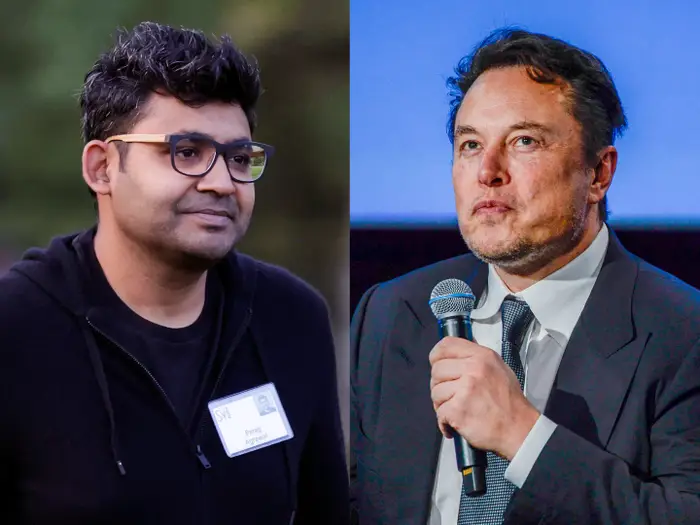
When Elon Musk strutted into Twitter HQ and fired Parag Agrawal with the flourish of a Bond villain, he marked the moment with four cryptic words: “the bird is freed.” The world laughed, groaned, and scrolled on. But while Musk basked in the chaos of social media theatrics, Agrawal quietly slipped into the shadows to build something altogether stranger: a web not for us, but for our AI agents. His new startup, Parallel Web Systems, has already pulled in $30 million and a lineup of serious Silicon Valley backers. What are they building? Plumbing for a parallel internet where AI agents can think, negotiate, and transact without tripping over cookie banners, cat memes, or CAPTCHA tests. Their flagship Deep Research API claims to out-perform even GPT-5 on multi-step reasoning, which sounds less like marketing fluff and more like the scaffolding of a world where machines—not humans—become the primary web citizens. For us mere mortals, this is both exhilarating and unsettling. Imagine an internet where your agent books flights, haggles over prices, and drafts legal briefs—all without you lifting a finger. Convenience, yes. But also: what happens when the “real” internet, the one we doomscroll through, becomes a sideshow, while the real action happens on machine-only highways we can’t even see? Agrawal, once cast out of the birdcage, is now sketching the architecture of this new aviary. The bird may have been “freed,” but it’s he who is quietly building the skies it will fly in. And after all, if the web of tomorrow belongs to the agents, the least we can do is decide whether we’re the spiders… or just the flies.
